
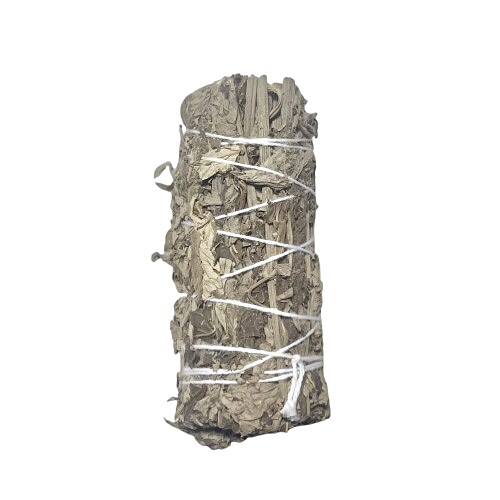
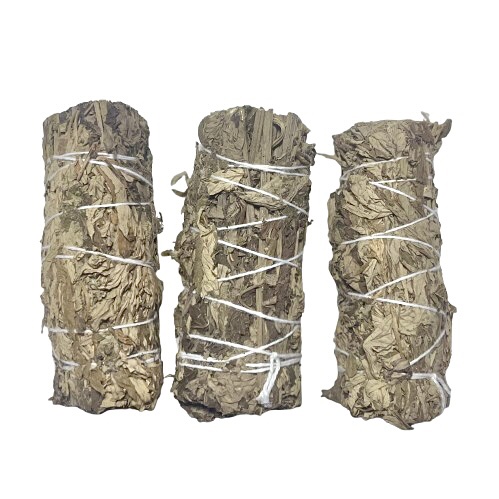
Mugwort Herb — Sacred Dream Herb for Intuition, Protection, Cleansing & Spiritual Awareness
Mugwort is a legendary botanical herb deeply associated with dreams, intuition, purification, protection, and spiritual practices. Known botanically as Artemisia vulgaris, mugwort has been valued for centuries across European, Asian, and other traditional herbal cultures for its distinctive aromatic leaves and its place in folk traditions.
Often called a dream herb, mugwort is especially popular among people who practice dream journaling, meditation, divination, ritual work, smoke cleansing, and other forms of spiritual exploration. Its earthy, slightly bitter aroma and silvery-green appearance make it a beautiful addition to a sacred altar, spiritual space, herbal collection, or ritual practice.
At RA TRIBE, Mugwort Herb is offered as a traditional botanical for those who wish to incorporate this historic plant into intentional spiritual and ceremonial practices.
Meaning of Mugwort
Mugwort carries a rich symbolic history. Traditionally, it has been associated with intuition, dreams, protection, purification, feminine wisdom, transition, and spiritual awareness.
The herb’s connection with dreams is one of its most recognized traditional associations. Many folk and magical traditions have used mugwort around bedtime or incorporated it into dream-related rituals with the intention of encouraging vivid dreams, dream recall, or deeper awareness of the dream state.
Spiritually, mugwort is often viewed as an herb of thresholds, the spaces between ordinary awareness and the symbolic world of dreams, meditation, intuition, and ritual.
It is also traditionally associated with protection. Historically, various Artemisia species were carried, hung in homes, placed near doorways, or incorporated into protective folk practices.
Mugwort Herb can therefore be used symbolically when setting intentions such as:
* Protection of personal and sacred spaces
* Clearing unwanted or stagnant energy
* Strengthening intuitive practices
* Dream exploration and dream recall
* Spiritual cleansing
* Meditation and reflection
* Connecting with ancestral and traditional practices
* Marking transitions and new beginnings
These associations are part of traditional and spiritual practices rather than scientifically established effects.
Origin of Mugwort
Mugwort, Artemisia vulgaris, is a perennial plant belonging to the Asteraceae family, the same botanical family that includes daisies, sunflowers, and chrysanthemums.
It is native to parts of Europe, Asia, and North Africa and has become naturalized in many other parts of the world. The plant is adaptable and can grow in a variety of environments, particularly along roadsides, fields, woodland edges, and disturbed ground.
Mugwort has a long history in European folk herbalism and traditional Asian herbal practices. Different cultures have used related Artemisia species in distinct ways, meaning that the exact traditional use and symbolism can vary considerably by region.
The plant typically develops tall stems with aromatic, deeply divided leaves. The upper surface of the leaves is generally green, while the underside can have a distinctive silvery or whitish appearance.
Its aromatic quality is one of the reasons mugwort has remained popular in herbal and ceremonial traditions.
Traditional Properties of Mugwort
Mugwort is traditionally associated with a wide range of spiritual and symbolic properties.
Dream Work
Mugwort is perhaps most famous for its relationship with dreams. It is traditionally used in dream pillows, sachets, incense blends, and other dream-focused rituals.
Practitioners may place dried mugwort near their sleeping space as part of a personal dream ritual, particularly when focusing on dream awareness and remembering dreams upon waking.
Spiritual Cleansing
Mugwort is commonly incorporated into cleansing practices. Its aromatic presence can be used symbolically to represent releasing unwanted energy and creating a fresh atmosphere.
Protection
Across various folk traditions, mugwort has been regarded as a protective herb. It may be included in sachets, altar arrangements, herbal bundles, or other spiritual practices intended to establish a feeling of energetic boundaries.
Intuition
Mugwort is often connected with inner knowing and intuitive awareness. For people who practice meditation, tarot, divination, journaling, or dream interpretation, it can serve as a symbolic reminder to slow down and pay attention to subtle impressions.
Transition & Transformation
Because of its association with thresholds and altered states of awareness, mugwort is also frequently connected with personal transformation, endings, beginnings, and periods of spiritual transition.
Uses of Mugwort Herb
Mugwort can be incorporated into a variety of traditional and spiritual practices.
Dream Rituals
Create a simple dream-focused ritual by placing a small amount of dried mugwort in a breathable sachet near your sleeping area while setting a clear intention for dream awareness.
Keep a dream journal beside your bed and record your dreams immediately after waking.
Spiritual Cleansing
Mugwort may be included in a smoke-cleansing blend or used as part of a symbolic cleansing ritual. If burning herbs, always use a suitable heat-resistant vessel, maintain good ventilation, and never leave burning material unattended.
Meditation
Place dried mugwort on a nearby altar or in a designated herbal bowl while meditating. Its presence can symbolize intuition, reflection, and spiritual awareness.
Altar Decoration
The dried herb can be incorporated into an altar arrangement alongside crystals, candles, natural objects, or other sacred materials.
Herbal Sachets
Create a small herbal sachet containing mugwort for placement in a sacred space, meditation area, or near your dream journal.
Ritual Blends
Mugwort can be combined with other traditional herbs according to your personal practice and intention.
Spiritual Journaling
Use mugwort as part of a journaling ritual focused on dreams, intuition, ancestral reflection, personal transformation, or spiritual experiences.
Benefits of Mugwort in Spiritual Practice
Mugwort is valued primarily for its traditional and symbolic significance.
Potential spiritual uses include:
* Encourages intentional dreamwork
* Supports a dedicated dream-journaling ritual
* Symbolizes intuition and inner awareness
* Traditionally associated with spiritual protection
* Can be incorporated into cleansing rituals
* Adds an earthy botanical element to sacred spaces
* Useful for meditation and reflection
* Supports personal rituals centered around transformation
* Connects modern practices with historic herbal traditions
* Can be used in sachets, altar work, incense blends, and ceremonial practices
The benefit of incorporating mugwort into ritual often comes from the combination of intention, symbolism, sensory experience, and personal practice rather than from scientifically proven supernatural effects.
Mugwort & Spiritual Practices
Mugwort is particularly suited to practices involving dreams and intuitive exploration.
A simple ritual can involve placing a small amount of dried mugwort beside your dream journal before sleeping. Take a few quiet moments to establish your intention, such as:
“I welcome clarity, awareness, and meaningful reflection through my dreams.”
Upon waking, write down whatever you remember images, emotions, colors, people, places, or symbols. Over time, keeping a consistent dream journal can help you recognize recurring themes and personal symbolism.
For a cleansing ritual, mugwort can be incorporated into a carefully controlled smoke practice or placed on an altar while you intentionally tidy and refresh your physical environment.
Ingredients / Botanical Information
Primary Ingredient:
100% dried Mugwort herb
Botanical Name: Artemisia vulgaris
Plant Family: Asteraceae
Plant Part: Leaves and aerial parts, depending on preparation
Form: Dried herb
Aroma: Earthy, herbaceous, aromatic, and slightly bitter
Color: Green to silvery-green when dried
No artificial fragrance or unnecessary additives should be assumed unless specifically stated in the product specifications.
Important Safety & Care Information
Mugwort is a botanical herb intended for traditional, aromatic, ceremonial, or spiritual use according to the product’s intended purpose. Do not ingest or prepare as a tea unless the product is specifically sold and labeled for culinary or herbal consumption.
Mugwort may not be appropriate for everyone. Pregnant individuals should avoid medicinal or internal use unless specifically advised by a qualified healthcare professional. People with allergies to plants in the Asteraceae family should exercise caution.
If burning mugwort, use it responsibly in a heat-resistant container, keep it away from flammable objects, provide adequate ventilation, and never leave burning herbs unattended. Allow all ashes and embers to cool completely before disposal.
Store dried mugwort in a cool, dry place away from moisture and direct sunlight to help preserve its natural aroma and quality.
Why Choose Mugwort Herb?
Mugwort is more than a dried botanical, it is a plant with a long history of symbolism, folklore, and traditional spiritual use.
Whether you’re creating a dedicated dream altar, deepening your journaling practice, preparing a cleansing ritual, exploring ancestral traditions, or simply building a more intentional sacred space, Mugwort offers a natural way to connect your practice with centuries of botanical tradition.
Mugwort Herb, for dreams, intuition, protection, cleansing, and the sacred spaces between the seen and unseen.

Reviews
There are no reviews yet.